
Essential Principles for Wilderness Survival
What core techniques are vital for staying alive in the wild?
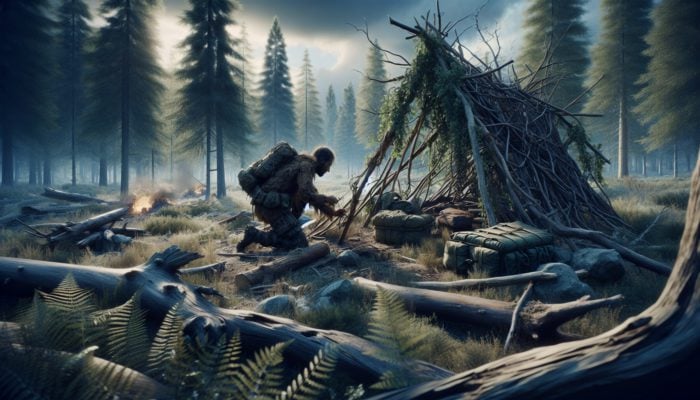
Surviving Without Gear: To survive without gear, one must rely on basic instincts and cultivate a resourceful mindset, particularly in challenging environments. This often requires utilising natural materials to meet daily needs, such as constructing shelters or sourcing food. The ability to adapt and make rapid decisions is paramount to long-term viability in any wilderness scenario, as it enables individuals to respond effectively to unforeseen challenges and environmental changes, thereby increasing their chances of survival.
Innovative Strategies for Resource Gathering
Resource gathering necessitates a blend of creativity and keen observation. Consider these everyday items that can be improvised from nature to meet various needs:
- Leaves for insulation or covering
- Rocks for tools or weights
- Wood for fires or structural support
- Bark for containers or cordage
- Bamboo for water storage or shelter frames
- Vines for lashing or binding
- Animal bones for tools or utensils
In numerous scenarios, these materials can serve multiple functions, underscoring the necessity of adapting to the environment and making the most of available resources for survival.
How can I effectively prioritise my daily needs?
To optimise your chances of survival, it is critical to focus on essentials such as hydration and rest, especially when lacking external tools. Strategically planning your daily tasks can help maintain your energy levels while minimising unnecessary risks. This balanced approach helps you manage your physiological state effectively, promoting endurance during outdoor activities and enhancing your ability to navigate challenging situations while sustaining your well-being.
How Can You Identify Safe Water Sources?

What are the signs of clean water in natural settings?
When searching for clean water sources, it is essential to explore various environmental indicators. Look for signs such as stream flow rate, which should be consistent and brisk, and clarity, where cleaner water appears clear and free of debris. Developing strong observational skills is vital for hydration, as it enables you to identify reliable methods for quenching your thirst safely and effectively, thereby ensuring your overall health and vitality in the wilderness.
What risks are associated with water collection?
Collecting water entails various risks that must be understood and mitigated. Common challenges include contaminants and pathogens that can cause illness. Assessing and treating water sources on-site is critical; look for signs of contamination, and always err on the side of caution when collecting water from unfamiliar areas to maintain your health and prevent dehydration, thereby ensuring you remain strong and capable during your wilderness experience.
How can I test water quality without specialised equipment?

In the absence of sophisticated tools, you can utilise sensory cues and environmental factors to gauge water quality. Visual inspection for clarity or unusual colours, smelling for foul odours, and tasting a small amount (only if you suspect safety issues) can provide insights into its potential safety. This knowledge empowers you to make informed choices, particularly in resource-scarce situations, thereby enhancing your ability to survive by ensuring consistent access to safe water.
What methods can I use to purify water from natural sources?
Purifying water to make it safe for consumption is essential for survival. Simple techniques include boiling, which effectively inactivates pathogens, and solar disinfection, in which water is left in clear containers in direct sunlight for several hours. Understanding the significance of time and available resources in emergency hydration scenarios can mean the difference between safety and illness, underscoring the importance of reliable water purification methods.
How can I recognise signs of chemical contamination in water?
Chemical contamination can be subtle, but several indicators can help you avoid tainted water sources. Unusual colours, such as bright green or a milky appearance, foul odours, or an odd taste,, ofen signal the presence of pollutants. By honing your sensory checks and enhancing your environmental awareness, you can make safer choices that protect your health and well-being, ensuring that you remain vigilant and capable in your survival efforts.
Building Robust and Effective Shelters
What materials are suitable for quick shelter construction?
Creating a protective structure in the wilderness hinges on the efficient use of available natural materials. Gather branches, leaves, and grass to construct a basic shelter. Focus on insulation and stability to create a comfortable environment that shields against the elements. Quick construction techniques are vital for short-term survival, providing a sense of security and protection from adverse weather conditions, ultimately enhancing your chances of enduring in the wilderness.
What designs should I consider for different weather conditions?
Adapting shelter design to prevailing weather conditions is crucial for survival. Frameworks can be adjusted using local resources, emphasising layering to provide additional insulation in cooler climates or ventilation in warmer areas. Positioning your shelter strategically can also shield against wind and rain, fostering resilience in varying climates, thereby ensuring that you remain protected and comfortable throughout your wilderness adventure.
How can I maintain my shelter for long-term survival?
Over time, shelter maintenance becomes essential for long-term survival. Regularly inspect the structure for weaknesses and reinforce it with additional materials sourced from the environment. Developing strong observational skills enables you to adapt to changes in weather and local wildlife, thereby ensuring the durability and effectiveness of your shelter and enhancing your overall safety and comfort during extended periods in the wild.
Insights from Experts on Surviving Without Gear
What key principles do experienced survivors recommend?
Real-world examples from seasoned survivors illustrate the effectiveness of adaptable techniques in natural settings. From utilising local flora for food to constructing makeshift shelters, these accounts underscore the power of resilience and ingenuity. Learning from diverse scenarios empowers individuals to trust natural survival methods and build confidence in their abilities, thereby enhancing their preparedness for unexpected challenges in the wild.
What common mistakes should I avoid in the field?
Avoiding common pitfalls such as overexertion is essential for effective survival. Many individuals may push themselves too hard in search of resources, leading to fatigue and poor decision-making. By understanding these mistakes and implementing corrective strategies, you can enhance your decision-making and promote safer practices in the field, ensuring that you remain alert and capable in your survival efforts.
What advanced adaptation techniques can help me overcome challenges?
Integrating lessons from survival experts can significantly enhance your ability to overcome challenges. Employing innovative uses of your surroundings—such as using natural barriers for camouflage or employing foraging techniques—can sustain your efforts effectively. Building upon basic skills through continual learning ensures you remain prepared for unforeseen obstacles in the wild, thereby increasing your chances of successful survival.
What mental resilience strategies can I use in the wilderness?
Mental resilience plays a critical role in surviving without gear. Strategies for overcoming fear include maintaining motivation through goal-setting and focusing on positive outcomes. Drawing from historical accounts of survival can inspire, reinforcing the importance of psychological endurance alongside physical needs during challenging times, thus enabling you to navigate the wilderness with confidence and determination.
What Foods Can Be Safely Foraged?
How can I identify edible plants in the environment?
Recognition of edible plants is vital for survival. Visual identification is essential, focusing on characteristics like colour, leaf shape, and seasonal availability. Taste testing small amounts can help ensure the nutritional value of foraged items while minimising the risk of consuming harmful plants, contributing to a balanced diet during your wilderness experience, and fortifying your body against the rigours of survival.
What are the risks of consuming unknown substances?
Minimising the dangers of poisoning requires careful evaluation and awareness of local flora. Familiarise yourself with common symptoms of poisoning, such as nausea or dizziness, to quickly recognise potential hazards. Promoting cautious foraging practices is crucial for health preservation, allowing you to enjoy the benefits of foraged foods while avoiding dangerous substances, thereby safeguarding your well-being in the wild.
What methods should I use to prepare foraged items for consumption?
To maximise safety and edibility, consider several simple processing techniques. Thoroughly clean foraged items to remove dirt and potential contaminants, and cook them ovtural fire heat to eliminate pathogens. Other techniques may include drying or crushing plants to enhance digestibility and flavour, thereby ensuring nutritious meals in survival situations and reinforcing health and vitality during a wilderness adventure.
Research-Backed Techniques for Fire Making
What essential steps should I follow for friction-based fire-making methods?
Traditional fire-making techniques, such as friction-based methods, are crucial for survival. Selecting appropriate materials is key; softer woods for the base and harder woods for the drill provide optimal friction. Refining your technique through practice ensures reliable ignition, enabling you to generate warmth and cook food effectively even under adverse conditions, thereby enhancing your chances of survival in the wild.
What alternative ways can I use to generate heat naturally?
Beyond traditional methods, there are various ways to generate heat using environmental elements. Utilizing solar energy, for example, can provide warmth when conditions allow. Understanding how to harness and maintain warmth from natural resources can significantly enhance survival capabilities, especially in colder climates, thereby ensuring you remain comfortable and secure in your surroundings.
How can I sustain a fire over extended periods?
Fuel management and airflow are essential components of maintaining a fire for extended periods. Strategically placing larger logs around the base ensures a steady burn, while optimising airflow through proper arrangement can prevent extinguishing. Implementing these strategies not only provides warmth and cooking capabilities but also acts as a protective measure against wildlife, ensuring your safety and comfort throughout your wilderness experience.
What innovative tools can aid in efficient fire starting?
Recent studies highlight the use of modern devices, such as fire strikers and magnifying glasses, to ensure reliable ignition in challenging scenarios. Understanding techniques for optimal use, including maintenance of these tools and environmental adaptations, can significantly improve your chances of starting a fire when it’s essential for survival, thereby enhancing your preparedness for any situation in the wild.
What safety measures and risk mitigation strategies should I follow when making fire?
Handling fire safely requires knowledge of essential protocols, including careful site selection and wind exposure control. Proper extinguishing techniques are crucial to minimise accidents and environmental impact. By adhering to safety protocols, both beginners and experts can ensure safe practices that protect themselves and the surrounding environment, thereby fostering a safe environment for wilderness survival.
How to Manage Health in the Wilderness
What natural remedies can I use for common ailments?
Plant-based solutions for common ailments can be invaluable in the wilderness. Familiarity with local medicinal plants can help address injuries and illnesses without modern medical tools. Understanding self-care techniques helps ensure that you can address basic health needs, thereby maintaining physical well-being during extended outdoor experiences and enhancing overall health and resilience in challenging environments.
Why is hydration crucial for overall wellness?
Hydration is fundamental for overall wellness, as water plays a vital role in bodily functions. Monitoring your intake and recognising signs of imbalance—such as fatigue or dizziness—can help you maintain both physical and mental health effectively. Ensuring you remain hydrated is a straightforward yet critical aspect of wilderness survival, supporting optimal functioning in demanding situations.
What strategies can I implement for building physical endurance?
Building physical endurance requires gradual conditioning through body-weight exercises that can be performed in any environment. These exercises promote sustained energy and recovery, enabling you to adapt to environmental demands. Consistent practice is essential for enhancing physical capabilities, making survival more manageable, and ensuring that you remain strong and capable in the wild.
How can I address mental health challenges in isolated environments?
Handling stress and emotional challenges in the wilderness is vital for long-term survival. Techniques such as mindfulness, positive thinking, and engaging in group activities can help maintain mental resilience. Cultivating these strategies ensures a holistic approach to well-being, addressing both psychological and physical needs in isolated environments, thus enhancing your ability to cope with the difficulties of wilderness living.
What basic first aid techniques should I know for wilderness injuries?
Immediate responses to common injuries can significantly impact survival outcomes. Utilising available resources for improvisation—such as creating splints from sticks or bandages from fabric—can stabilise injuries until professional help is accessible. Understanding these first-aid techniques is crucial for ensuring safety and health during your wilderness adventure, thereby enhancing your preparedness for any unexpected injuries.
How Can I Maintain Mental Strength in Survival Situations?
What techniques can I use for building psychological resilience?
Building psychological resilience is essential for enduring the mental challenges of survival. Techniques such as mindfulness and positive visualization can mitigate stress and foster a determined mindset in challenging circumstances. Focusing on mental strength equips individuals with the tools necessary to navigate the wilderness successfully, ensuring that they remain focused and capable in their survival efforts.
How does establishing a routine contribute to mental stability?
Establishing a daily routine enhances focus and emotional control, especially in challenging environments. Creating habits reduces anxiety and improves decision-making under pressure, providing structure amidst uncertainty. A solid routine can serve as an anchor, helping you maintain mental stability while adapting to the demands of wilderness survival, thus reinforcing your ability to remain calm and composed under stress.
How can I overcome isolation and fear responses?
Coping mechanisms like self-talk and goal-setting are vital for adapting emotionally to prolonged solitude. By actively working to overcome feelings of isolation and fear, individuals can maintain their mental strength. Developing these skills enables better emotional regulation, fosters resilience in the face of adversity, and enhances your capacity to thrive in challenging wilderness environments.
What are Effective Long-Term Survival Strategies?
How can I plan for extended periods without resources?
Planning for extended periods without resources involves foresight and effective resource allocation. Understanding how to conserve energy and sustain yourself over time is key to survival. Developing a strategy for sustainable living in isolation requires both preparation and adaptability to ensure your needs are met even in challenging situations, thereby enhancing your overall chances of survival in the wilderness.
What behaviours should I adapt for changing conditions?
Flexibility in routines is vital to adapt to changing circumstances. Learning from experiences helps improve your survival tactics, emphasising the importance of ongoing assessment. Continuously adjusting your behaviours in response to environmental feedback ensures long-term viability when navigating unpredictable wilderness scenarios, enabling you to respond effectively to new challenges as they arise.
How can I integrate skills for comprehensive survival?
Combining various survival techniques leads to better outcomes in challenging environments. Understanding how different skills synergise promotes a holistic approach to survival, allowing you to leverage your strengths effectively. Integration of knowledge and practices enhances your ability to endure, ensuring success in long-term survival situations and thereby empowering you to thrive in the wild.
FAQs
What is the first thing I should do if I get lost in the wilderness?
Stay calm and assess your surroundings. Identify landmarks or signs of civilisation and consider your last known location. Prioritise finding clean water and shelter if you need to remain in place for safety.
How can I find food in the wild?
Foraging is key; learn to identify edible plants and insects. Understand local wildlife behaviour to determine where they feed, and set traps if necessary to obtain protein sources, thereby ensuring you maintain your energy levels in the wild.
What should I carry on a survival trip?
Consider essentials such as a multi-tool, fire-starting kit, first-aid supplies, and filtration devices. Tailor your gear based on the environment and length of your stay, ensuring that you are well-prepared for any eventuality.
How can I purify water in a survival situation?
You can purify water by boiling it for at least one minute or by using solar disinfection techniques, placing water in clear bottles under sunlight for several hours, thus ensuring it is safe to drink.
How do I signal for help in the wilderness?
Use bright colours or reflective materials to create signals. Fires can also serve as signals, and creating large SOS signs on the ground can attract attention from aerial searches, enhancing your chances of rescue.
What are the most common survival mistakes?
Common mistakes include underestimating the importance of water, neglecting to build shelter, and failing to maintain energy levels. Always prioritise hydration and planning to avoid these pitfalls and increase your chances of survival.
How can I stay warm without gear?
Use natural insulation, such as leaves or pine needles, to retain body heat and create a shelter that blocks wind. Additionally, keep moving to maintain your body temperature, thus ensuring your comfort in cold environments.
What plants should I avoid foraging?
Avoid plants with milky sap, thorny stems, or those that you cannot positively identify. Many plants can be toxic, so exercise caution with unfamiliar species to protect your health during foraging.
How can I improve my mental resilience for survival situations?
Practice mindfulness, set achievable goals, and maintain a positive outlook. Engaging in exercises that promote mental clarity can help you cope with isolation and stress, thus enhancing your overall mental strength during challenging times.
What is the best way to start a fire without matches?
Friction methods, such as the bow drill technique, can create heat through friction. Alternatively, striking flint against steel or using a magnifying glass to focus sunlight are effective methods for starting a fire in survival situations.
Discover us on X today!

Facing Survival Uncertainty: Navigating Life's Challenges
Comprehending the Complexities of Survival Uncertainty Essential Components of Navigating Survival Uncertainty Facing Survival Uncertainty: Navigating it is a shared human experience, intricately connected to both psychological and adaptive responses we encounter in our daily lives. This uncertainty can manifest in various forms, from natural disasters and economic upheavals to personal challenges that test our […]

SHTF Teamwork Tips: Essential Strategies for Survival
Essential Preparations for SHTF Scenarios Comprehensive Stockpiling of Vital Supplies SHTF Teamwork Tips: In any potential SHTF scenario, the cornerstone of survival is rooted in meticulous planning and preparation. By stockpiling essential supplies, you can ensure that your team is well-equipped to tackle a multitude of challenges that may arise. Concentrate on amassing provisions that […]

Overcoming Survival Doubt: Universal Strategies
Exploring the Concept of Survival Doubt What Is Survival Doubt and How Does It Affect Us? Overcoming Survival Doubt: Survival doubt is a persistent feeling of uncertainty about an individual's ability to navigate the myriad challenges and adversities of life effectively. This sentiment is not confined to any one demographic; it is a universal experience […]

Survival Group Coordination: Essential Strategies
Essential Principles for Coordinating Survival Groups Successfully Why Clear Communication is Crucial for Survival Success Survival Group Coordination: Effective coordination within survival groups relies heavily on the cornerstone of clear communication. When group members can articulate their needs, observations, and decisions with clarity, it fosters an atmosphere where everyone can align and respond effectively to […]